As CBD continues to grow, comprehending its legal landscape becomes progressively important for consumers and advocates alike. The ever-evolving laws surrounding cannabidiol present both opportunities and challenges, especially for those seeking to integrate CBD into their health and wellness routines. For women, notably, CBD has emerged as a promising ally in addressing numerous health concerns, from chronic pelvic pain to stress relief. With https://drive.google.com/drive/folders/1tpTr9764vziZSnwiYYW8NgaDREcuQUOC?usp=drive_link , individuals can align their wellness goals with the benefits that CBD might offer.
The interplay between CBD and wellness is a intriguing area, particularly when considering the specific needs of diverse demographics. Whether it’s investigating how CBD can enhance self-care practices for men or analyzing the scientific mechanisms behind cannabinoids, there's much to uncover. For women experiencing discomfort during sex or seeking relief from pelvic pain, CBD suppositories have become a topic of interest in recent discussions. This article delves into these aspects, providing insights into the science of cannabinoids, while helping you maneuver through the intricate legalities and potential health benefits of CBD.
CBD and Women's Health
Cannabidiol, or CBD, has gained significant focus for its potential benefits in women's health. A growing number of females are turning to CBD as a holistic alternative to handle various health issues. From menstrual issues to stress and sleep issues, CBD is being researched in different contexts for its remedial properties. Females are increasingly seeking out cannabidiol-infused products to aid in self-care practices and boost overall health.
The evidence behind cannabinoids suggests that cannabidiol interacts with the human endocannabinoid system, which plays a role in managing a variety of physiological processes, including pain perception and mood. This connection is particularly important for women experiencing chronic pelvic pain or painful intercourse. By likely reducing swelling and alleviating pain, CBD could bring ease to those who have not had success with traditional treatments.
In addition to somatic conditions, cannabidiol also holds potential for supporting psychological well-being in women. Tension and worry are widespread issues, and CBD is known for its soothing effects. Numerous females are integrating CBD into their wellness goals to foster calm and improve their mood. As more evidence emerges, cannabidiol could play a pivotal role in women's health, offering a comprehensive approach to health that empowers females to manage their well-being.
Health Goals with CBD
Many people are looking to CBD as a holistic supplement to help achieve various self-care goals. As curiosity in holistic health grows, people are exploring how cannabidiol can improve their overall well-being. From alleviating stress and anxiety to supporting better sleep, CBD offers a broad range of potential positives that align well with current self-care routines. Integrating cannabidiol into daily habits can support a equilibrated lifestyle and aid in fulfilling personal health aspirations.
For females, the integration of CBD into health routines can be particularly impactful. Some females report that CBD helps with menstrual discomfort, hormonal imbalances, and mood swings, contributing favourably to their overall health experience. Additionally, https://www.out.com/sex/2019/9/01/troff-wants-you-put-cbd-your-butt-better-sex who engage in exercise and wellness activities find that cannabidiol can provide relief from post-workout soreness, enabling a quicker recovery and enhancing their health journeys. As more females seek holistic alternatives for health support, CBD emerges as a viable option to explore.
Men too are realizing the benefits of cannabidiol in their self-care routines. From managing stress in high-pressure environments to addressing physical discomfort after intense physical activities, cannabidiol is becoming an essential wellness tool for many. With its potential pain-relieving properties, men can find relief from pain and soreness without the side effects frequently associated with traditional pain management solutions. This adaptability makes cannabidiol appealing across age groups, catering to diverse wellness goals while fostering a greater relationship to personal health.
Cannabidiol for Chronic Pain
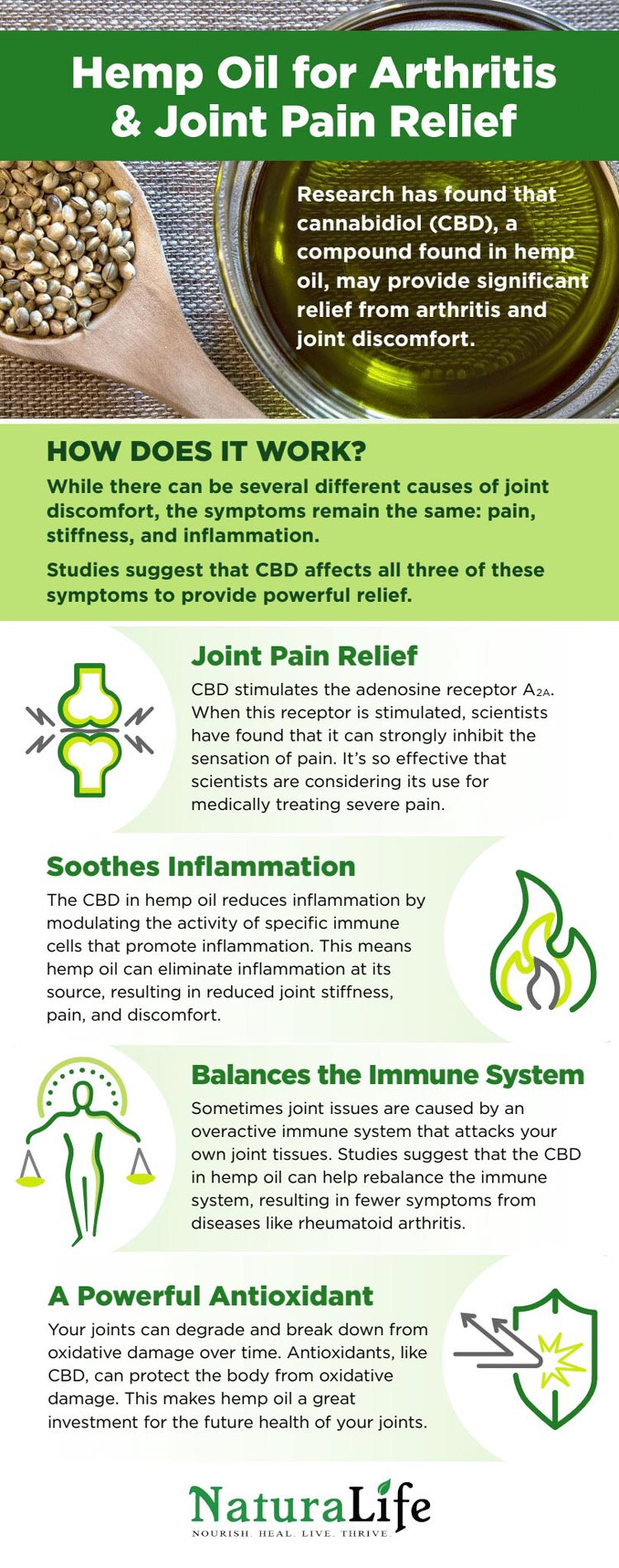
Persistent pain can significantly affect an individual's quality of life, leading to physical limitations and emotional distress. A lot of people are turning to CBD as an alternative form of relief due to its potential pain-relieving properties. Research suggests that cannabis compounds, including cannabidiol, interact with the body's endocannabinoid system, which plays a crucial role in regulating discomfort and inflammation. This interaction may help to reduce the perception of pain and provide a more natural approach to managing chronic pain conditions.
CBD has shown promise specifically for conditions such as joint pain, fibromyalgia, and MS. For these individuals, incorporating cannabidiol into their wellness routine may provide significant benefits. Numerous users report a decrease in pain levels, improved mobility, and an overall enhancement in their daily functioning. As more studies emerge, it becomes increasingly clear that cannabidiol could be a valuable tool in the management of chronic pain, particularly for those seeking alternative therapies without the side effects associated with traditional analgesics.
Moreover, CBD can be administered in various forms, including tinctures, softgels, and creams, making it accessible for different choices and needs. Individuals dealing with painful conditions such as severe pelvic discomfort are exploring cannabidiol suppositories as a targeted option for relief. This method may offer localized effects, providing comfort for those who experience pain during intercourse or other activities. As the legal landscape around CBD continues to evolve, individuals should stay informed about trustworthy options and consult healthcare professionals to ensure safe and effective use.
The Study of Cannabinoids
Cannabinoids are a collection of chemical compounds that engage the human endocannabinoid system, which plays a key role in maintaining balance. This system consists of binding sites, endogenous cannabinoids, and enzymes, working together to regulate multiple physiological processes such as mood, appetite, pain perception, and immune response. Among the more than 100 cannabinoids found in the cannabis plant, cannabidiol (CBD) is one of the most studied due to its potential therapeutic properties lacking the psychoactive effects typically associated with tetrahydrocannabinol (THC).
Investigations has shown that CBD can affect the endocannabinoid system in several ways. It primarily engages cannabinoid receptors, notably CB1 and CB2, although its effects are not limited to these receptors. CBD may reduce the activity of specific enzymes responsible for breaking down endocannabinoids, thereby increasing their levels within the body. This interaction may lead to pain relief, reduction of inflammation, and improvement in mental health, making CBD a potential ally in managing conditions such as chronic pain and anxiety.
The potential benefits of CBD extend to female wellness, particularly in relation to issues such as menstrual discomfort and pelvic pain. Studies are exploring how CBD’s anti-inflammatory and analgesic properties can relieve symptoms of conditions like endometriosis and painful intercourse. As researchers continue to unlock the mysteries of cannabinoids, understanding their complex effects on the body will help customize CBD products for targeted wellness goals, promoting a holistic approach to self-care for both both sexes.